The Effectiveness of Radon Mitigation Systems in Iowa Homes

Radon is a silent threat lurking beneath many homes in Iowa. This naturally occurring radioactive gas seeps from the soil and can accumulate indoors, posing serious health risks. Understanding how effective radon mitigation systems are in Iowa homes is crucial for homeowners who want to protect their families. This post explores the impact of radon, how mitigation systems work, and real-world results from Iowa homes.

Why Radon Is a Concern in Iowa
Iowa ranks among the states with the highest radon levels in the United States. The state’s geology, rich in granite and shale, allows radon gas to escape from the ground easily. According to the Iowa Department of Public Health, about 70% of Iowa homes have radon levels above the EPA’s recommended action level of 4 picocuries per liter (pCi/L).
Radon exposure is the second leading cause of lung cancer after smoking, responsible for thousands of deaths annually nationwide. The risk increases with higher radon concentrations and longer exposure times. Since radon is odorless and invisible, testing is the only way to know if your home has a problem.
How Radon Mitigation Systems Work
Radon mitigation systems reduce indoor radon levels by preventing the gas from entering the home or by venting it safely outside. The most common method used in Iowa is active soil depressurization (ASD). This system involves:
Installing a vent pipe through the foundation or slab
Connecting the pipe to a fan that runs continuously
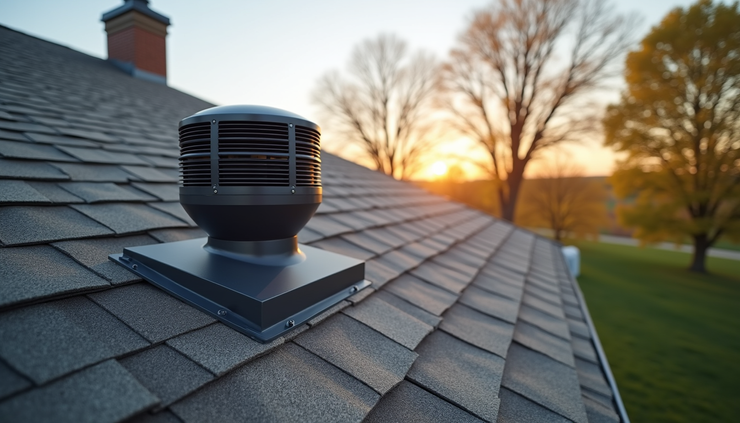
Drawing radon gas from beneath the home and releasing it above the roofline
This process lowers the pressure under the house, stopping radon from seeping indoors. Other methods include sealing cracks and improving ventilation, but these are usually supplementary.
Effectiveness of Radon Mitigation in Iowa Homes
Studies and field data show that properly installed radon mitigation systems can reduce radon levels by 80% to 99%. In Iowa, many homeowners have seen their radon levels drop from dangerous levels above 10 pCi/L to well below the EPA guideline of 4 pCi/L after mitigation.
For example, a 2019 survey conducted by the Iowa Radon Coalition found that over 90% of homes with mitigation systems installed by certified professionals achieved radon levels under 2 pCi/L. This level is considered safe and significantly lowers lung cancer risk.
Factors Affecting System Performance
Several factors influence how well a radon mitigation system works:
Installation quality: Certified radon professionals follow strict protocols to ensure the system is effective.
Home construction: Homes with basements or slab-on-grade foundations may require different approaches.
Soil conditions: Porous soil allows easier radon extraction, while dense clay soils may reduce efficiency.
System maintenance: Fans and pipes need periodic checks to maintain performance.
Homeowners should test radon levels after installation and every few years to confirm the system continues to work.

Cost and Benefits of Radon Mitigation
The average cost of installing a radon mitigation system in Iowa ranges from $800 to $1,500. While this may seem like a significant investment, the health benefits and peace of mind far outweigh the expense.
Benefits include:
Reduced lung cancer risk: Lower radon levels mean less exposure to harmful radiation.
Increased home value: Homes with radon mitigation systems are more attractive to buyers.
Compliance with real estate transactions: Many Iowa home sales require radon testing and mitigation.
Some local programs and grants offer financial assistance to homeowners for radon mitigation, making it more affordable.
Steps for Iowa Homeowners to Take
If you live in Iowa, follow these steps to protect your home from radon:
Test your home: Use a DIY radon test kit or hire a professional to measure radon levels.
Review results: If levels exceed 4 pCi/L, plan for mitigation.
Hire a certified radon professional: Look for certified installers with experience in Iowa.
Install a mitigation system: Choose the method best suited for your home.
Retest after installation: Confirm the system reduces radon to safe levels.
Maintain the system: Schedule regular inspections and fan replacements if needed.
Radon mitigation systems have proven highly effective in Iowa homes when installed and maintained correctly. They provide a reliable way to reduce radon exposure and protect your family’s health. Testing is the first step, and if radon is detected, mitigation offers a clear solution.


Comments